Living Room Layout Ideas
The arrangement of your sofa sets the foundation for your entire living room design. A well-planned layout creates flow, encourages conversation, and maximizes both comfort and functionality. Understanding the principles of spatial arrangement will help you create a room that feels both inviting and purposeful.
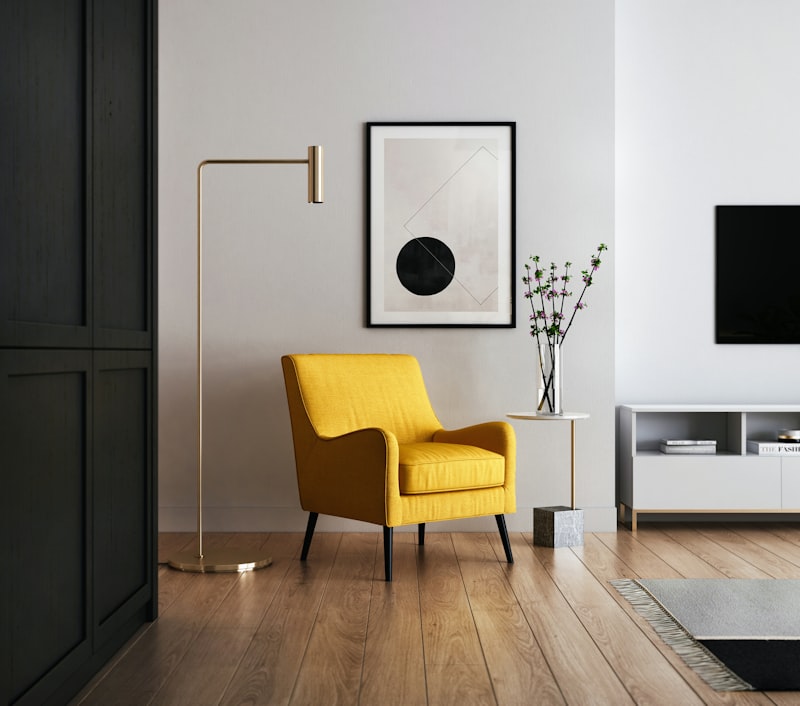
The Classic L-Shape Arrangement
The L-shaped configuration remains one of the most popular choices for modern living rooms. This arrangement features a sofa paired with a chaise lounge or a sectional that naturally creates an L formation. The beauty of this layout lies in its ability to define a conversation area while maintaining an open, airy feel. Position your L-shaped sofa in a corner to maximize floor space, or float it in the center of the room to create distinct zones for different activities.
Facing Seating Arrangement
For those who love to entertain, a facing seating arrangement creates an intimate atmosphere perfect for conversation. Place your sofa opposite two armchairs or a loveseat, with a coffee table as the central anchor. This symmetrical setup creates balance and draws people together, making it ideal for social gatherings and family time. Ensure there's enough space between pieces for comfortable movement—typically 18 to 24 inches between the coffee table and seating.
Floating Furniture
Breaking free from the instinct to push furniture against walls can transform your space. Floating your sofa in the middle of the room creates a more dynamic layout and defines distinct areas within open-concept spaces. Use the back of your floating sofa as a natural room divider, perhaps separating the living area from a dining space or home office nook. This approach works particularly well in larger rooms where wall-hugging furniture might feel lost.
Color Matching & Harmony
Color is one of the most powerful tools in interior design. The right color choices can make a room feel larger, warmer, more energetic, or supremely calm. When selecting your sofa color, consider the existing elements in your space as well as the mood you wish to create.
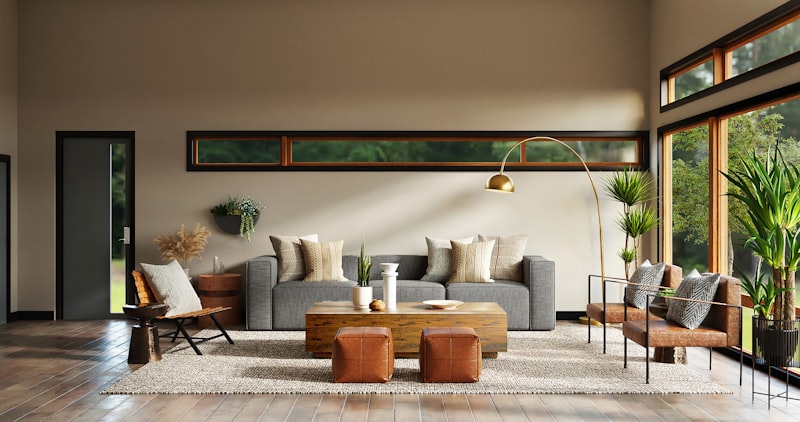
The 60-30-10 Rule
Interior designers often rely on the 60-30-10 rule for color distribution. Your dominant color (typically walls and large furniture pieces) should make up 60% of the room. A secondary color (accent furniture, curtains, or a feature wall) accounts for 30%. The remaining 10% is reserved for bold accent colors through accessories like pillows, throws, and artwork. This formula creates visual interest while maintaining harmony.
Neutral Foundations
A neutral-colored sofa provides the ultimate flexibility in design. Shades of beige, gray, taupe, and cream serve as a blank canvas, allowing you to change your room's look simply by swapping accessories. A neutral sofa can work with virtually any color scheme, making it an excellent investment piece that will adapt as your tastes evolve. Consider the undertones of your neutral—warm grays pair beautifully with earth tones, while cool grays complement blues and greens.
Making Bold Choices
If you're drawn to color, your sofa can become the room's statement piece. Deep jewel tones like emerald green, sapphire blue, or rich burgundy add sophistication and drama. When choosing a bold sofa color, keep the surrounding elements more subdued to let your furniture shine. Balance is key—a vibrant sofa in a room full of competing colors will feel chaotic rather than curated.
Space Optimization
Whether you're working with a compact apartment or a spacious home, optimizing your space ensures every square foot serves a purpose. Thoughtful furniture selection and placement can make small rooms feel expansive and large rooms feel cozy and inviting.
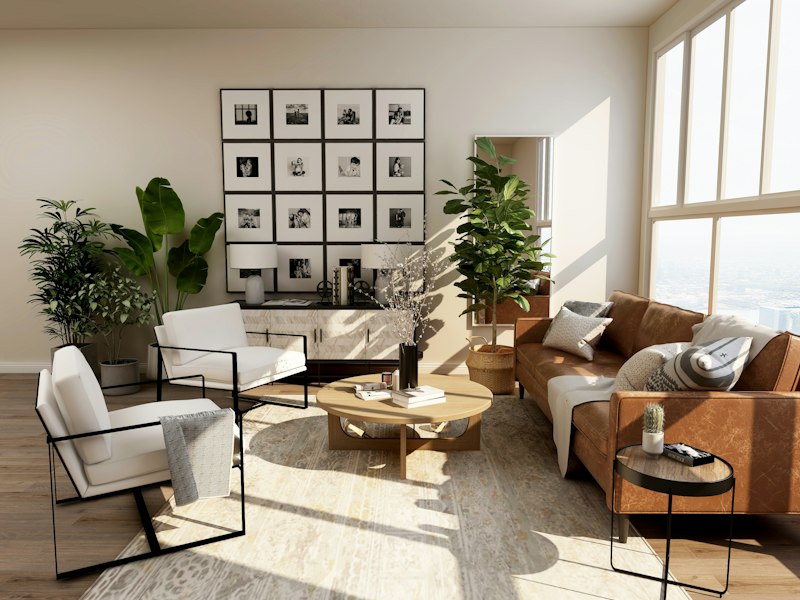
Small Space Solutions
In compact living rooms, every piece of furniture should earn its place. Consider apartment-sized sofas or loveseats rather than full sectionals. Choose pieces with exposed legs to create a sense of visual space beneath the furniture, making the room feel larger. Multi-functional furniture, such as a sleeper sofa or a coffee table with storage, maximizes utility without sacrificing style.
Creating Flow
Maintain clear pathways through your living room to create a sense of openness and ease of movement. The traffic flow should be intuitive, allowing people to enter, exit, and navigate the space without obstruction. Avoid placing furniture in ways that force awkward detours or create bottlenecks. A well-planned traffic pattern makes even modest spaces feel generous.
Vertical Thinking
When floor space is limited, think vertically. Wall-mounted shelves, tall bookcases, and art hung at the right height draw the eye upward, creating the illusion of higher ceilings and more space. A low-profile sofa can also enhance this effect, making your ceilings appear loftier by comparison.
Expert Styling Tips
The finishing touches transform a well-designed room into a truly beautiful space. Styling your sofa and the surrounding area with intention adds personality, warmth, and visual interest to your living room.
The Art of Pillow Arrangement
Throw pillows are among the most impactful styling tools available. Start with two larger pillows at each end of the sofa, then layer smaller pillows in front. Mix textures and patterns while staying within your color palette—varying scale of prints creates visual interest without clashing. For a standard three-seat sofa, five to seven pillows typically provide a lush, inviting look without overwhelming the space.
Layering Textures
Texture adds depth and dimension to your living room design. Even within a monochromatic color scheme, varying textures create visual interest and warmth. Combine smooth leather with chunky knit throws, pair sleek velvet pillows with nubby bouclé accents, or contrast a linen sofa with a wool area rug. These tactile contrasts make a room feel curated and inviting.
The Power of Lighting
Lighting dramatically affects how your sofa and living room appear. Layer different light sources—overhead fixtures, floor lamps, table lamps, and even candles—to create ambience and highlight your design choices. A floor lamp beside your sofa provides task lighting for reading while adding to the room's overall illumination. Consider dimmers to adjust the mood for different occasions.
Putting It All Together
Creating your ideal living room is a journey of balancing form and function. Start with your sofa as the anchor piece, then build outward with complementary furniture, thoughtful color choices, and carefully selected accessories. Remember that the best spaces evolve over time—don't rush to fill every corner immediately.
Consider how you actually live in the space. Do you watch television frequently? Host regular gatherings? Have children or pets? Your lifestyle should inform every design decision. A beautiful room that doesn't serve your daily needs will ultimately feel unsatisfying.
Most importantly, trust your instincts. While design principles provide valuable guidance, your home should reflect your unique personality and bring you joy. The most successful interiors are those that make their inhabitants feel comfortable, inspired, and truly at home.